Language Learning Burnout Recovery in 2026: How to Start Again Without Pretending You Need More Discipline
A practical burnout recovery plan for language learners who are tired of guilt systems, fake metrics, and routines that feel like a second job.
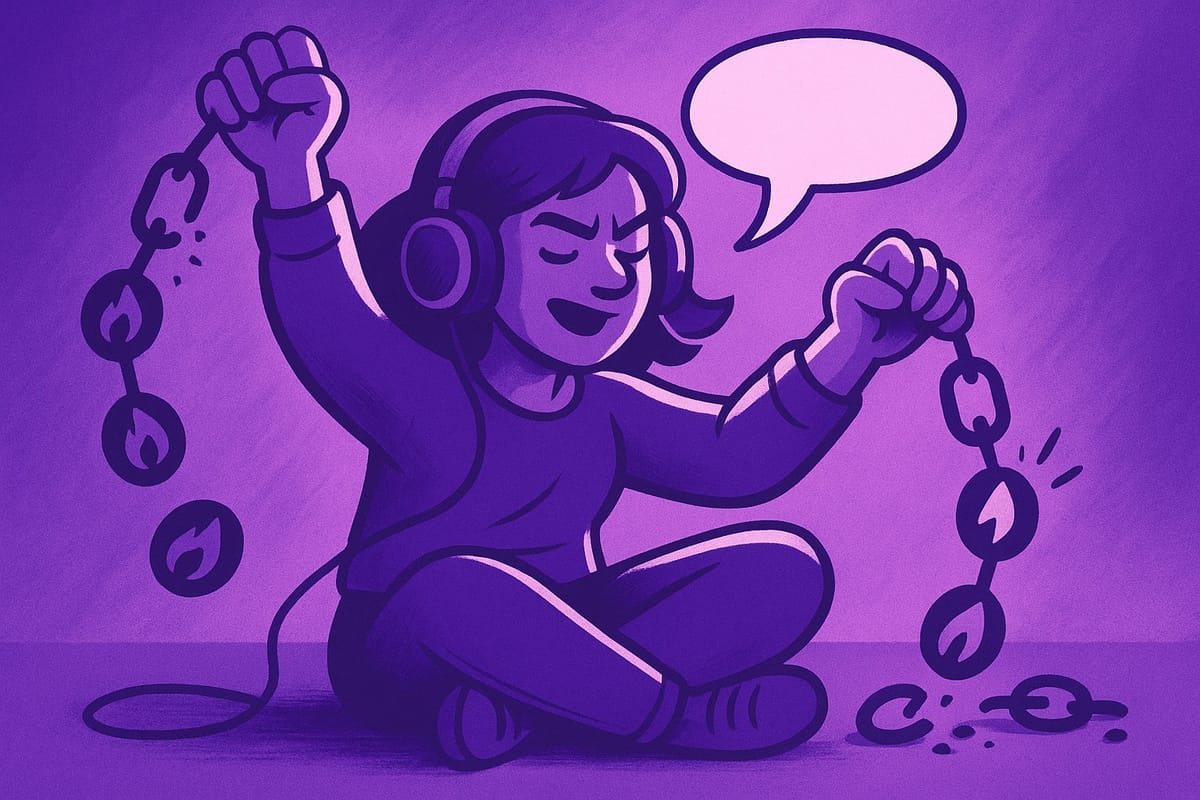
Language Learning Burnout Recovery in 2026: How to Start Again Without Pretending You Need More Discipline
If you are looking for language learning burnout recovery, you are probably already past the point where cute motivation tricks do anything. You do not need a prettier planner. You do not need a new app with more badges. You definitely do not need some productivity ghoul telling you to "just stay consistent" like that sentence has ever cured exhaustion.
What you need is a real language learning burnout recovery plan, one that assumes you are tired, irritated, maybe a little guilty, and not especially interested in being lectured by people who think burnout means you missed two flashcard sessions.
We have already dragged language learning app burnout, dopamine loops in language learning, and false progress routines into the light. Burnout recovery is the next step, and it starts with one uncomfortable truth.
Why Language Learning Burnout Recovery Fails for Most People
Most people try to recover by rebuilding the same broken system in a softer font.
They take the exact routine that fried them, then make it slightly smaller:
- fewer flashcards
- shorter app sessions
- more forgiving goals
- one inspirational quote, because apparently that helps now
That can reduce pressure for a minute, but it does not fix the structure. If your study life was built around guilt, fake metrics, and low-transfer tasks, shrinking it does not magically make it healthy.
The World Health Organization describes burnout in work terms as exhaustion, distance or cynicism, and reduced efficacy. That trio maps annoyingly well onto language burnout too. You feel drained, slightly disgusted by the whole process, and less convinced that any effort will actually help.
So no, the answer is not "be more disciplined." That is lazy advice for people who cannot diagnose a system problem.
The First Rule of Language Learning Burnout Recovery
Stop trying to prove you are still serious.
That urge screws people up constantly. They burn out, panic that they are becoming "one of those people who quit," then overcompensate with some noble comeback plan that looks hardcore and immediately drains them again.
A smarter language learning burnout recovery starts by dropping performance.
You are not trying to look committed.
You are trying to become recoverably engaged.
Those are different goals.
What Language Learning Burnout Recovery Actually Requires
Real recovery has four parts:
- remove the stuff that created the burnout loop
- restore a sense of competence
- reintroduce meaningful language contact
- rebuild toward communication, not compliance
Miss one of those and you usually stall.
Remove the draining junk first
Cut the tasks that feel heaviest and transfer least.
Usually that means trimming some combination of:
- giant review queues
- streak-based apps
- overengineered flashcard systems
- grammar drills you resent
- content you consume only because you think you should
If an activity makes you feel like you are clocking into a second boring job, it probably needs to go.
Restore competence with tiny wins that actually matter
You need evidence that you still can do this.
Not theoretical evidence. Felt evidence.
Good recovery wins look like:
- understanding one short clip
- speaking for two minutes without freezing completely
- reading one page and following the meaning
- reusing one phrase in real context
That is why the best recovery work is specific and alive.
Reintroduce meaningful contact
A lot of burned-out learners hide in meta-learning. They read about methods, organize materials, and watch study videos instead of touching the language itself.
That is just burnout wearing glasses.
Use the language in low-pressure ways:
- shadow one short audio clip
- send yourself a voice note
- read something dumb but interesting
- watch one scene with focused attention
- have one messy conversation with a patient person or tool
Rebuild around communication
The whole point of language learning burnout recovery is to return with a better center of gravity. That center should be understanding and expression, not metrics and obedience.
A 14-Day Language Learning Burnout Recovery Plan
Here is the plan I would actually recommend.
Days 1 to 3: Stop the bleeding
- delete or mute the most guilt-inducing reminders
- ignore streaks completely
- do 5 to 10 minutes max per day
- choose only activities that feel light and human
Examples:
- one easy podcast excerpt
- one funny short video
- one page of familiar material
- one voice note about your day
That is enough. You are stabilizing, not chasing glory.
Days 4 to 7: Rebuild contact
Now add a bit of structure.
- 10 minutes input
- 5 minutes output
- one note about something you understood or said
Do not log twenty metrics. Just notice one proof of life each day.
Research summarized by places like Cambridge University Press & Assessment keeps landing on the same basic truth: manageable cognitive load supports better learning. When your brain is already cooked, the last thing it needs is a giant management layer.
Days 8 to 10: Bring back challenge, gently
Now you can add one slightly uncomfortable element:
- shadow a faster clip
- do a three-minute monologue
- read a denser text
- try one short live conversation
Not because suffering is noble, but because recovery needs a little stretch or it stays too fragile.
Days 11 to 14: Build the new baseline
By now you should know which activities feel energizing and which ones feel like soul bleach.
Keep the energizing ones.
Your baseline could be:
- 10 minutes listening or reading
- 5 minutes speaking or writing
- one real-world or semi-live language use per week
That is a foundation. From there you can scale carefully.
What to Avoid During Language Learning Burnout Recovery
Do not buy a new tool because you feel guilty
That is retail therapy for your study identity.
Do not binge-study on your first good day
This is the classic relapse move. You feel a burst of energy, do 90 minutes, and wreck the next three days.
Do not confuse organization with recovery
If you spent two hours renaming folders and color-coding resources, congratulations, you recovered absolutely nothing.
Do not make every session serious
Burnout recovery needs play. Music, memes, trash TV, silly voice notes, reading weird comments, whatever gets you touching the language without feeling trapped.
The British Council and similar language education organizations consistently point back to confidence and meaningful use. They might say it more politely than I do, but the core idea is the same.
The Best Signs That Language Learning Burnout Recovery Is Working
You know recovery is real when:
- you feel more curious than guilty
- you touch the language without bargaining with yourself for an hour first
- you stop obsessing over how much you should be doing
- you notice progress in moments, not dashboards
- you are willing to be imperfect again
That last one matters most.
Burned-out learners often become perfectionists because perfection feels safer than trying and feeling sloppy. But speaking badly for a while is part of the deal. Recovery works when you can tolerate that again.
My Verdict on Language Learning Burnout Recovery in 2026
A good language learning burnout recovery plan is not about crawling back to your old routine. It is about refusing to rebuild the same dumb machine that burned you out in the first place.
Cut the guilt systems.
Shrink the management overhead.
Use the language in small, real ways.
Rebuild around communication.
Scale slowly enough that your nervous system does not revolt.
You do not need to prove you are hardcore. You need a routine you do not secretly hate.
So here is the question that actually matters: if you started again this week with only the parts of language learning that still feel alive, what would you keep and what would you finally kill?