Pronunciation Perfectionism in Language Learning in 2026: Why Chasing a Perfect Accent Keeps You Quiet
How pronunciation perfectionism keeps language learners silent, and what to do instead if you want clearer speech without the anxiety spiral.
Pronunciation Perfectionism in Language Learning in 2026: Why Chasing a Perfect Accent Keeps You Quiet
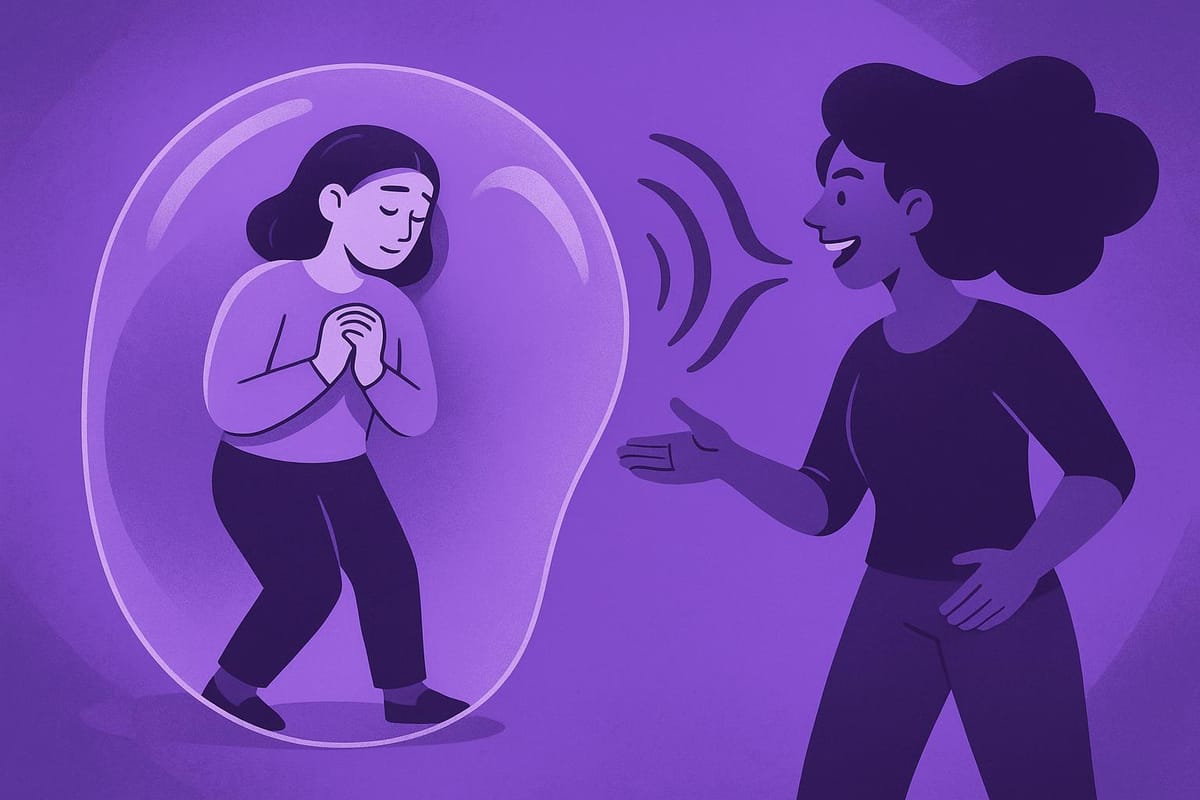
If pronunciation perfectionism in language learning has you obsessing over every vowel, every rolled R, and every tiny accent slip before you will let yourself speak, I have bad news. You are not building a high standard. You are building a cage.
A lot of learners in 2026 are stuck in this trap. AI feedback tools, accent scorers, shadowing apps, and endless pronunciation clips make it feel like you should be able to polish your speech in private until it sounds clean enough to reveal to the world. Sounds efficient. It is actually one of the fastest ways to stay silent.
The real problem with pronunciation perfectionism in language learning is not that pronunciation matters too much. Pronunciation absolutely matters. The problem is treating perfect accent imitation as the price of participation. That standard breaks people before it helps them.
We have already taken apart speaking anxiety in second language learning, false progress routines, AI speaking practice that gets too comfortable, and burnout recovery. Pronunciation perfectionism sits right in the middle of all that mess.
Why Pronunciation Perfectionism in Language Learning Feels So Rational
The annoying thing about pronunciation perfectionism in language learning is that it sounds responsible.
You tell yourself:
- I do not want to build bad habits
- I want people to understand me
- I should fix this before I embarrass myself
- I need more practice before I speak freely
That all sounds sensible until you notice what it produces:
- hesitation
- avoidance
- over-monitoring
- robotic speech
- fear of spontaneous conversation
- endless drills with very little real communication
At that point, your high standard is not helping. It is strangling output.
Research on perfectionism in language learners has been pointing for years to the same ugly pattern: perfectionism tends to travel with anxiety, avoidance, and fragile motivation. The learner thinks the standard is protecting quality. In practice, it often protects fear.
Pronunciation Perfectionism in Language Learning Confuses Intelligibility With Identity
Here is the core mistake.
Pronunciation perfectionism in language learning treats sounding native as the same thing as sounding clear. Those are not remotely the same goal.
What actually matters for most learners is:
- being understandable
- being easy enough to follow
- handling rhythm and stress well enough that people do not have to work too hard
- correcting the sounds that cause real breakdowns
That is a much healthier target than trying to erase every trace of where you came from.
A lot of pronunciation research separates ideas like accentedness, comprehensibility, and intelligibility because they are different. You can have an accent and still be highly understandable. You can sound polished in isolated drills and still be hard to follow in live speech if your rhythm collapses under pressure.
That is why research on the relationships among fluency, intelligibility, comprehensibility, and accentedness matters so much for learners. It reminds you that sounding native is not the only scoreboard in town.
Why AI Makes Pronunciation Perfectionism in Language Learning Worse
This is the 2026 part nobody wants to say out loud.
AI tools are great at surfacing tiny pronunciation differences. They are much worse at telling anxious learners when to stop caring.
If you are already prone to pronunciation perfectionism in language learning, AI can turn practice into a weird private lab:
- repeat the sentence again
- score drops from 91 to 88
- retry the word twelve times
- compare yourself to a synthetic native model
- leave the session convinced you are not ready for real conversation
That is insane behavior, but the tools quietly reward it.
I am not anti-tool. I am anti-using tools like a bunker. If an app helps you notice stress, rhythm, or one recurring sound problem, great. If it keeps you polishing isolated lines while your live speaking stays timid, it is helping your neurosis more than your fluency.
What Good Pronunciation Work Actually Looks Like
The antidote to pronunciation perfectionism in language learning is not ignoring pronunciation. It is putting pronunciation back in its proper place.
Good pronunciation work is:
- targeted
- limited
- tied to real communication
- focused on errors that actually affect understanding
- practiced inside phrases, not just in sterile word lists
That means you fix the stuff with real payoff first:
- word stress
- sentence stress
- rhythm
- vowel contrasts that cause confusion
- consonant distinctions that change meaning
- linking and chunking in fast speech
A lot of teachers and researchers working on intelligibility make exactly this argument. The goal is not fake native theater. The goal is speech people can actually follow.
The ERIC summary of perfectionism in language learners and broader pronunciation-intelligibility work point in the same direction: learners do better when the target is communicative effectiveness, not impossible polish.
A Better Standard for Pronunciation Perfectionism in Language Learning
If you want out of the trap, replace the old standard with a better one.
Old standard:
- I should sound nearly native before I speak freely.
Better standard:
- I should become progressively easier to understand while staying willing to speak.
That one shift changes everything.
It lets you ask smarter questions:
- Which sound issues actually confuse listeners?
- Where does my stress pattern make me hard to follow?
- Do I fall apart only when speaking spontaneously?
- Which mistakes are worth fixing now, and which can wait?
That is adult decision-making. The old version is just ego wearing a lab coat.
A 4-Step Plan to Beat Pronunciation Perfectionism in Language Learning
1. Pick only one or two pronunciation targets per month
Not twelve. Not your whole face.
Examples:
- Spanish tapped R versus English R
- French nasal vowels in common words
- English sentence stress in longer answers
- German final devoicing in high-frequency vocabulary
One or two targets keep you focused and sane.
2. Practice them in live phrases, not isolated trophies
Do not spend your whole life repeating single words like a malfunctioning parrot.
Use:
- short dialogue lines
- common answers to common questions
- phrases you actually say in conversation
- mini stories
This connects pronunciation to timing, breathing, and meaning.
3. Move from drills to messy speaking fast
The drill should be short. The transfer should happen fast.
Try this structure:
- 5 minutes noticing and imitating
- 5 minutes phrase repetition
- 5 minutes free speaking using the same sound pattern
- 5 minutes listening back for one thing only
That last part matters. Listen for one target, not fifty. Otherwise you will spiral.
4. Measure whether people understand you, not whether you impressed yourself
Real tests are better than private fantasies.
Ask:
- Did the listener understand the sentence the first time?
- Did I keep speaking even after a rough sound?
- Am I easier to follow than last month?
- Do I recover smoothly when I stumble?
That is a healthier scoreboard than "did I sound like I was born in Madrid at 9:17 p.m. on a Tuesday."
The Biggest Lies Pronunciation Perfectionism Tells You
Lie 1: I should fix my accent before I start speaking seriously
No. Serious speaking is how you discover what actually needs fixing.
Lie 2: If I practice enough in private, conversation will feel easy later
Private rehearsal helps a little. It does not prepare you for interruption, emotion, speed, or unpredictability. Real speaking has to be practiced in real speaking conditions.
Lie 3: Every pronunciation flaw matters equally
Absolutely not. Some issues barely matter. Others wreck clarity. Learn the difference.
Lie 4: Native-like should be the goal for everyone
For some learners, sure, maybe. For most adults, the practical win is clear, confident, flexible speech. Chasing total native-like performance can become a vanity project with miserable returns.
Research on second-language anxiety makes this even more obvious. Anxiety does not just sit there politely in the background. It changes how people perform, avoid, and interpret mistakes.
What to Do This Week Instead
If pronunciation perfectionism in language learning has been running your life, do this for the next seven days.
- choose one pronunciation target only
- spend 10 minutes a day on it, max
- attach it to real phrases you actually use
- do one short messy speaking task immediately after drilling
- stop the session while you still feel capable
- have at least one real conversation where clarity matters more than polish
And for the love of God, do not keep re-recording the same sentence twenty times because an app score twitched.
If you want a more useful target, aim for this: sound clear enough that the conversation keeps moving.
My Verdict on Pronunciation Perfectionism in Language Learning in 2026
Pronunciation perfectionism in language learning is one of the slickest forms of self-sabotage because it disguises fear as standards.
Yes, pronunciation matters.
No, perfect accent imitation is not the gate you have to pass through before you get to speak like a real person.
Train what improves intelligibility.
Limit how much time you spend polishing.
Move into live speech faster.
Judge success by clarity and courage, not by whether you could fool somebody for twelve seconds.
So here is the question: what would happen to your progress this month if you stopped trying to sound perfect and started trying to be unmistakably understandable?